Is Q-coin My Dog in English
At first glance, the question “Is Q-coin my dog in English?” seems absurd, a nonsensical mashup of digital currency and pet ownership. But beneath the surface lies a playful exploration of how we assign meaning to symbols—whether they’re furry companions or lines of code. Q-coin, a virtual currency created by Tencent, exists purely in the digital realm, while a dog is a living, breathing being with needs, emotions, and a physical presence. Yet, both can evoke a sense of “possession” and care, blurring the lines between tangible and intangible attachments.
In English, the phrase “my dog” implies a deep, personal bond: loyalty, companionship, and responsibility. Q-coin, by contrast, is a tool—a means to buy games, services, or digital goods. But for some, especially avid gamers or social media users, Q-coin might feel like a “digital pet”: it responds to their actions (topping up accounts, spending it wisely), “grows” in value with use, and becomes a familiar part of their daily digital life. Just as one might say, “I fed my dog today,” a gamer could joke, “I spent my Q-coin on a new skin,” turning a transaction into a ritual of care.
The humor in the question also highlights how language adapts to new realities. “My dog” is straightforward, but “my Q-coin” requires a shift in understanding—from possession to stewardship. A dog can’t be replicated, but Q-c
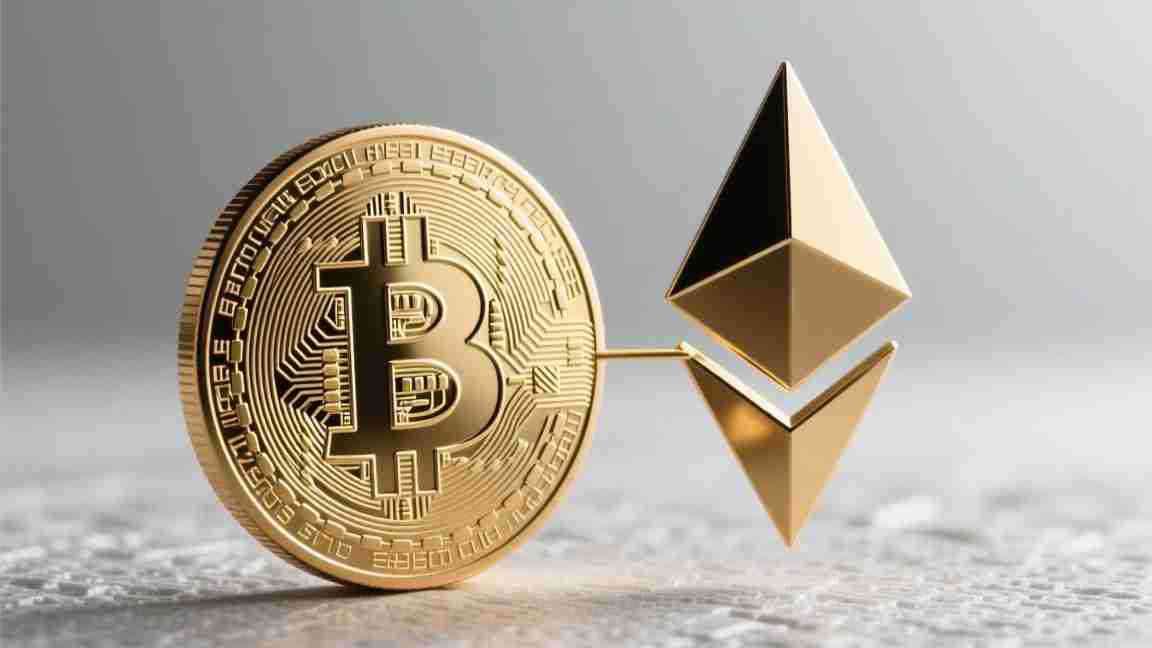
So, is Q-coin a dog in English? Not literally. But in the way we anthropomorphize our digital lives, it might just be the closest thing to a pet that never chews up your shoes—just your data.